What we do
Explain source material, direct residents to official directories, and generate editable advocacy drafts.
Maryland · Virginia · District of Columbia
Show Your Plates helps residents cite the governing law and send a focused, respectful policy request to the elected official they choose. It does not identify drivers, declare violations, or publish reports.
Primary sources before conclusions.
Policy patterns, never personal dossiers.
The same careful standard for every office.
Why this exists
Obscured or altered registration plates raise questions about traffic safety, tolling, public accountability, and consistent administration of existing rules. A useful public response begins with verified law and a concrete policy request, not an accusation against a vehicle owner.
This launch focuses on one safe action: helping a constituent draft a message to a representative using an official statute and an official representative directory.
Explain source material, direct residents to official directories, and generate editable advocacy drafts.
Identify people, adjudicate conduct, accept evidence, contact agencies, or send messages on anyone’s behalf.
Any photo or observation system remains disabled pending counsel review, privacy engineering, moderation, and a documented takedown process.
State-by-state source cards
These graphics are independent public-education artwork, not official signs. The linked government code page, not the graphic or our summary, is the authoritative source. Laws can change.
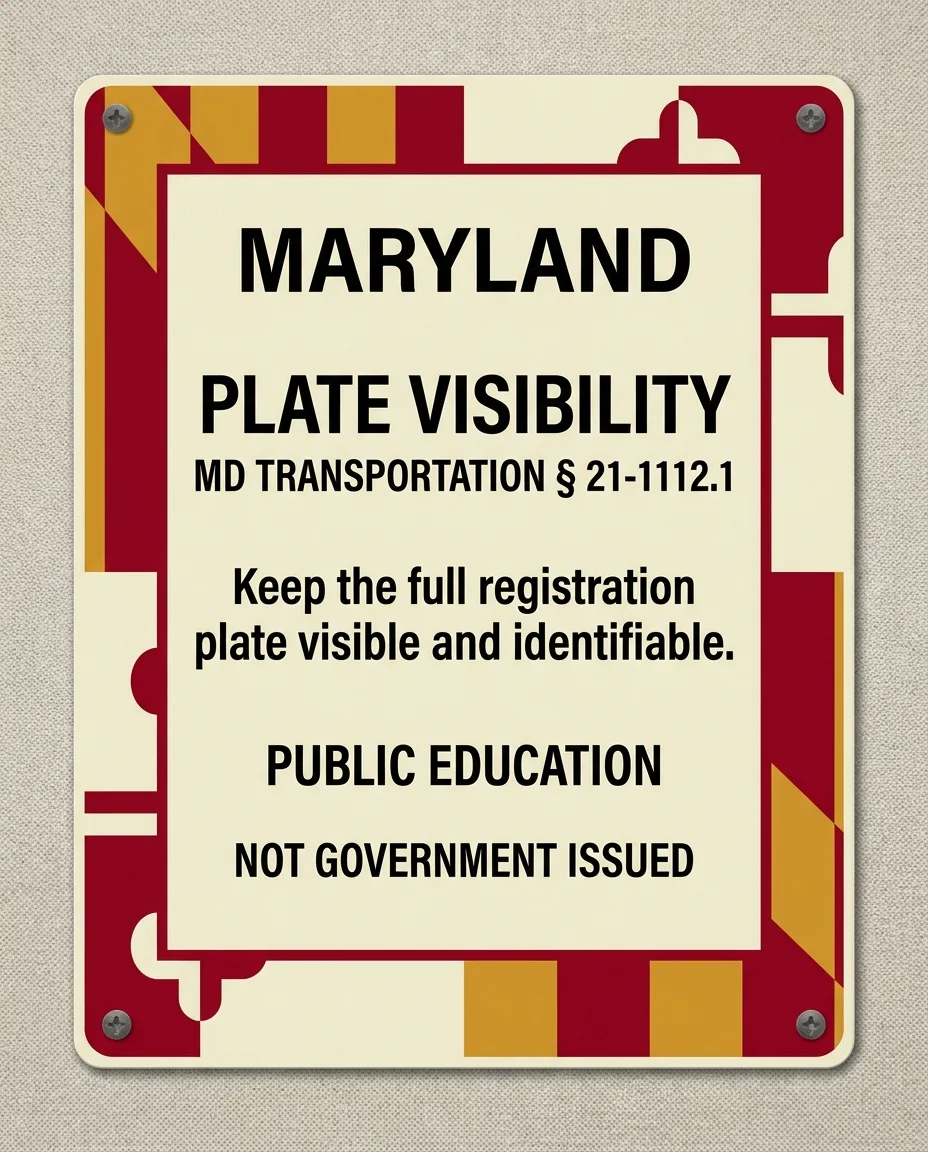
Maryland
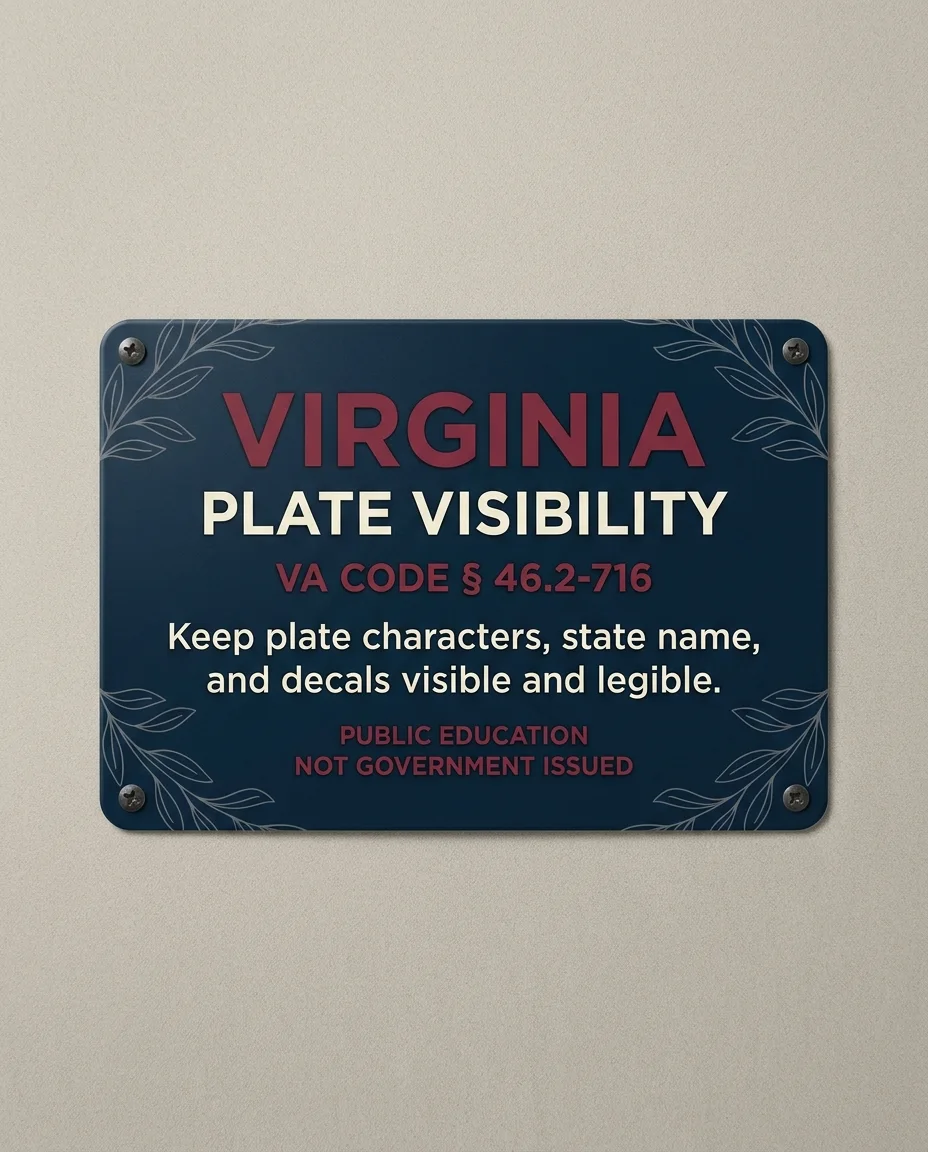
Virginia
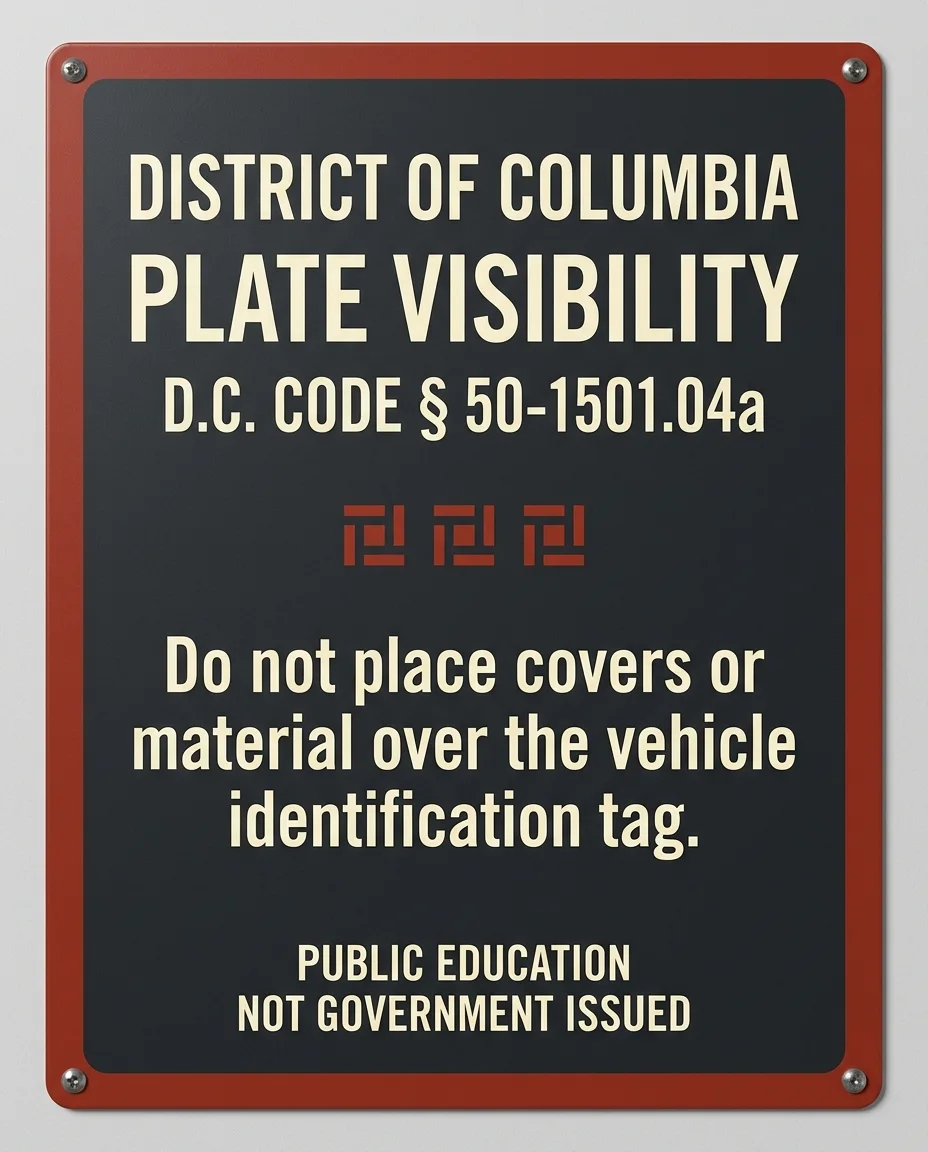
District of Columbia
Source links checked August 14, 2026. A citation is informational, not a legal conclusion about any specific event.
What to look for
These are synthetic training images with fictional DEMO 000 plates. They show visual categories only. They are not photographs of real vehicles, proof of intent, or a determination that a law was violated.
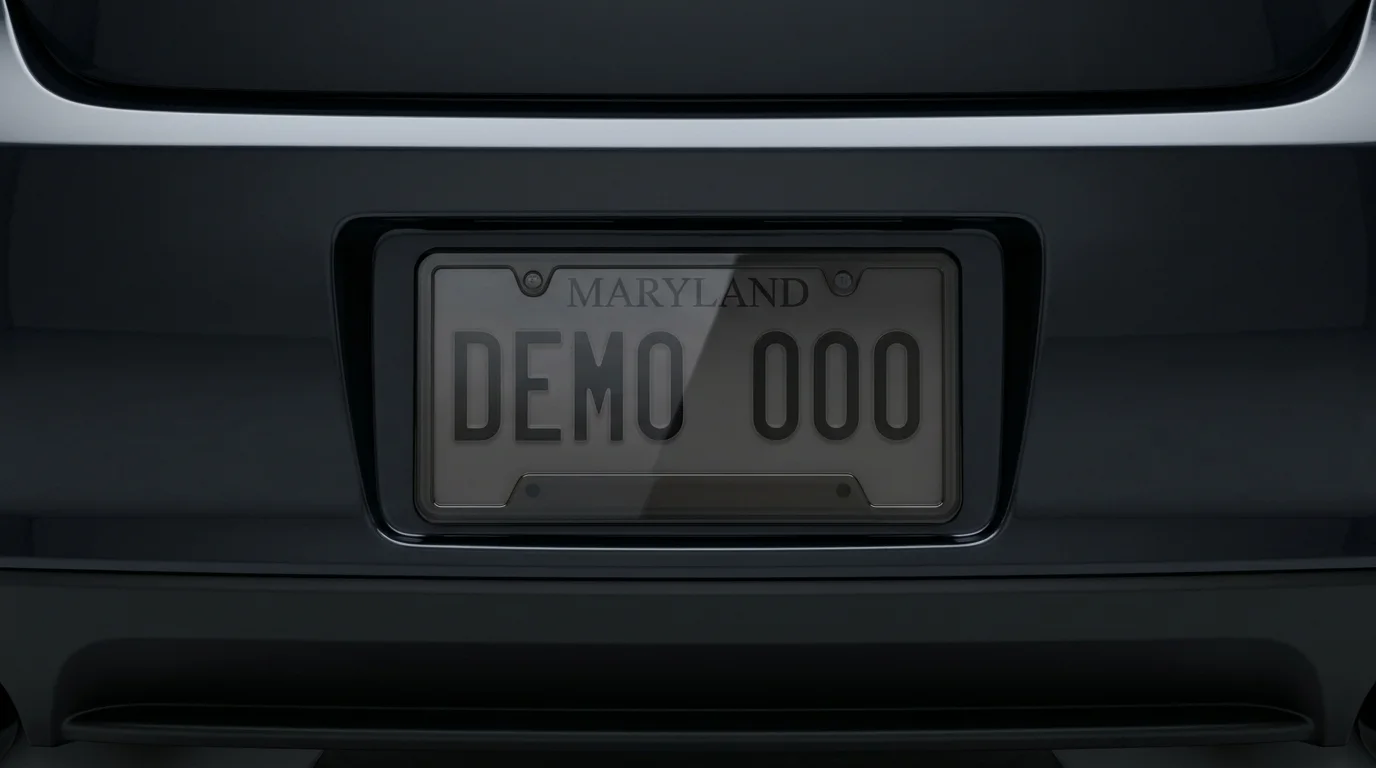
Look for a transparent or colored layer that changes contrast, color, glare, or readability across the plate.
Maryland source context ↗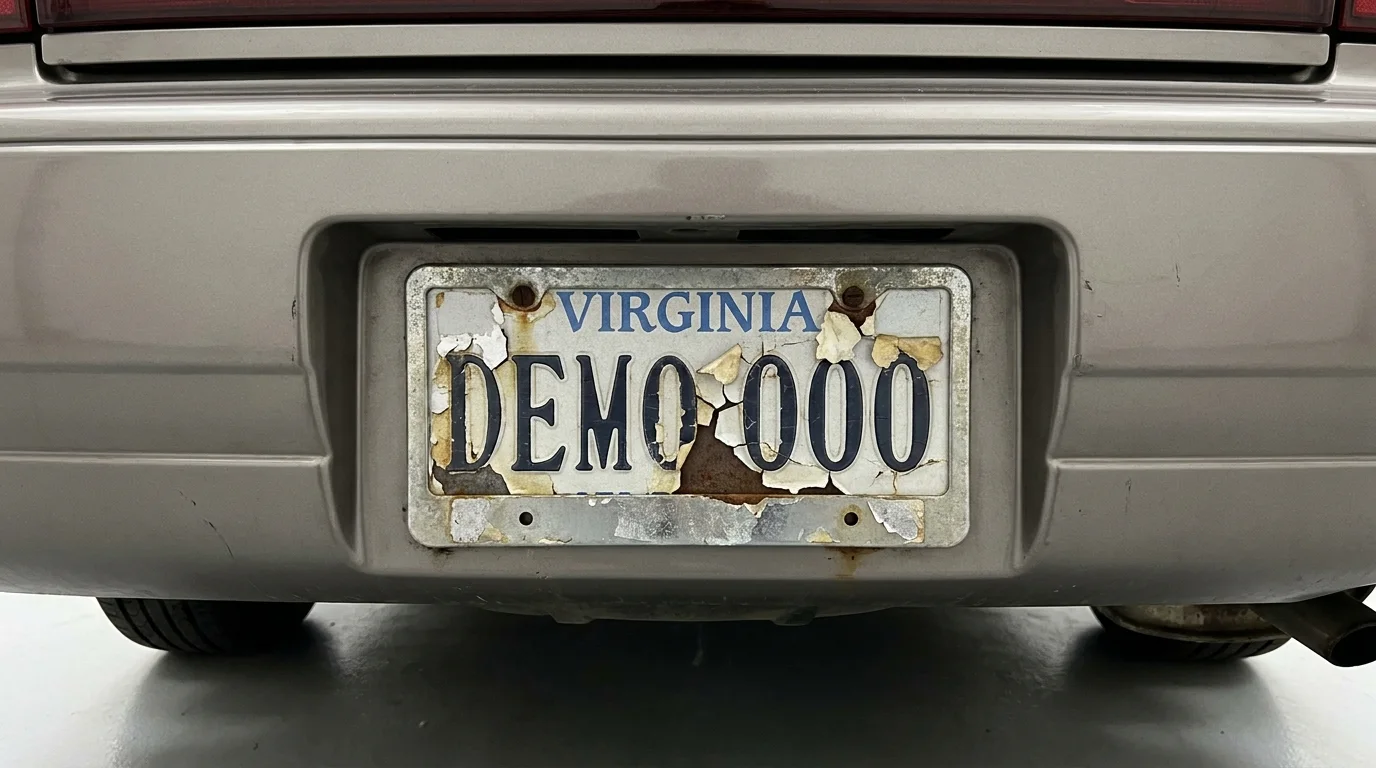
Look for missing or altered reflective material that prevents characters, the state name, or decals from being read.
Virginia source context ↗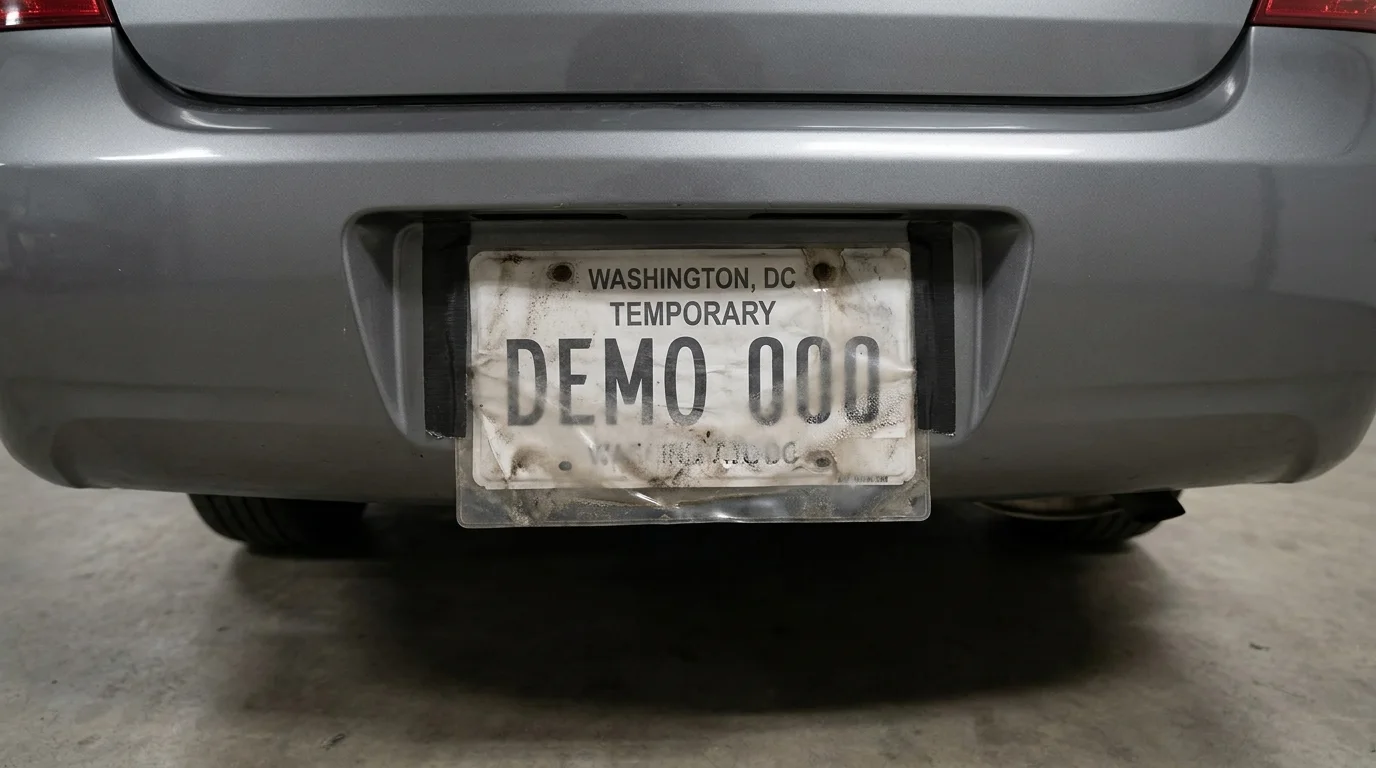
Look for a paper tag whose identifying or expiration information is hidden by material, damage, glare, or grime.
D.C. DMV guidance ↗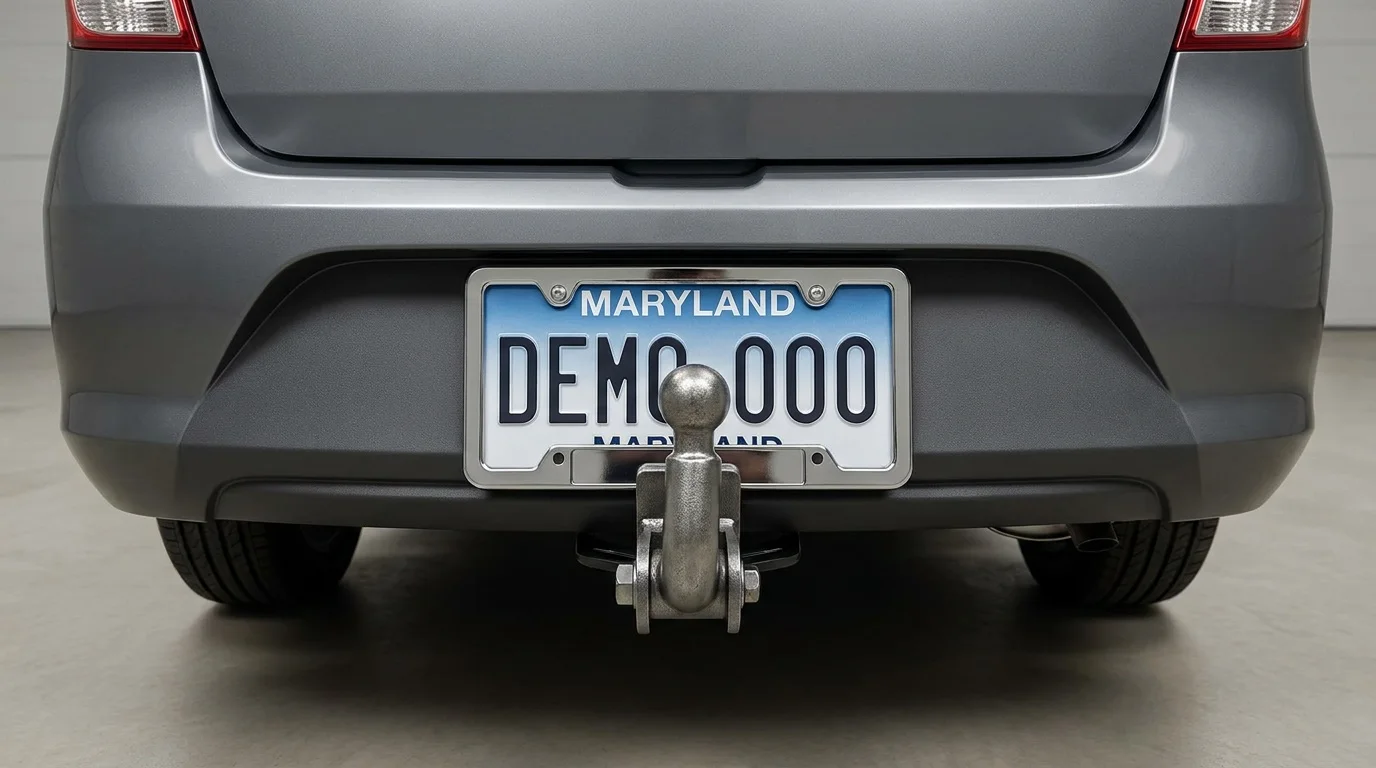
Look for a frame, holder, hitch, hardware, or accessory that blocks a character, jurisdiction name, or required decal.
Maryland source context ↗Constituent message builder
Use the official directory to identify your representative, then enter only their public office details. Your draft is created entirely in this browser and includes the official statute plus a link to this site’s synthetic examples. It is not uploaded, saved, or sent by this site.
The draft will name the selected official, cite the jurisdiction’s code, link to the primary source and this illustrated resource, and make one restrained policy request.
Review every fact and personalize this draft before sending. Show Your Plates does not verify your constituency, create a legal record, or communicate with the office.
Legal and safety boundary
This is a private civic-education project. It is not affiliated with, endorsed by, or speaking for any government, court, police department, motor-vehicle agency, or elected office.
Statute summaries are educational and may become outdated. The official source controls. Nothing here determines whether conduct is lawful or advises you how to act in a specific situation.
The current site does not accept photos, plate numbers, locations, narratives, or allegations. Do not send us those materials. No submission is transmitted to government.
Do not trespass, follow, confront, obstruct, harass, or attempt to identify anyone. Photography, recording, and publication rules vary by place and circumstance.